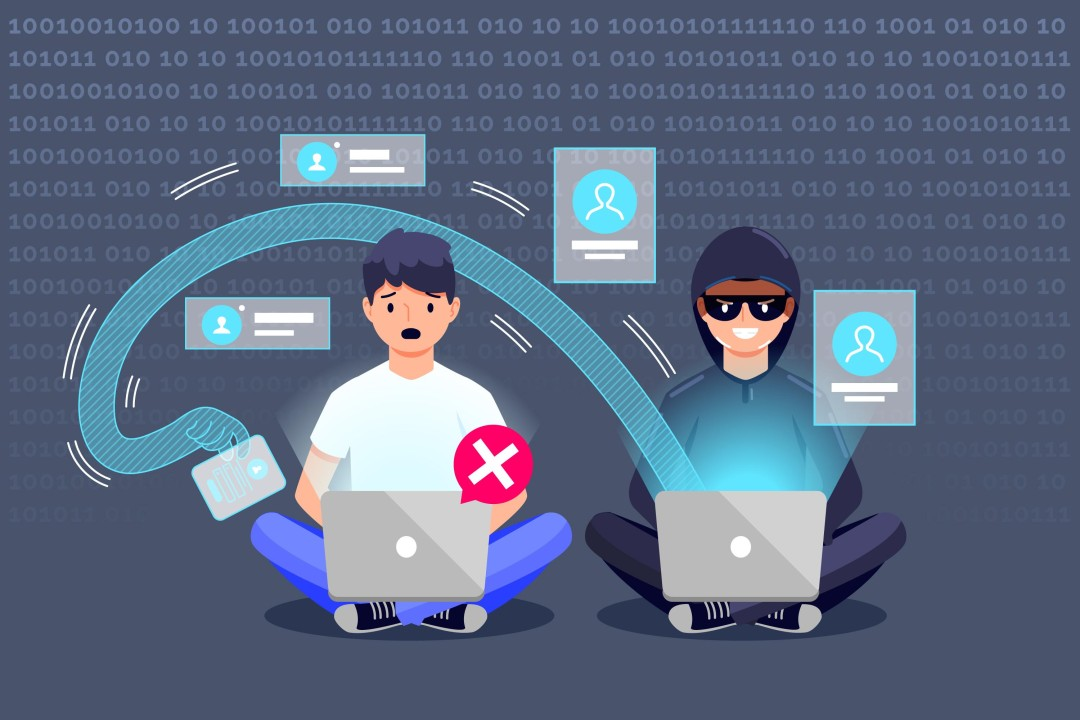
What Is Cybersecurity?
In today’s connected world, technology has become an essential part of everyday life. People use computers, smartphones, cloud services, and online platforms for communication, banking, education, healthcare, shopping, and business operations. While digital technology provides convenience and innovation, it also creates opportunities for cybercriminals to steal information, disrupt services, and damage organizations. This is where cybersecurity plays a critical role.
Cybersecurity is the practice of protecting computer systems, networks, applications, devices, and digital data from unauthorized access, cyber attacks, and other online threats. It involves a combination of technologies, processes, and strategies designed to keep information safe and ensure that digital systems remain reliable and secure.
As the world becomes increasingly dependent on technology, cybersecurity has become one of the most important areas of modern innovation. From individuals protecting personal information to governments securing national infrastructure, cybersecurity helps create a safer digital environment for everyone.
The Importance of Cybersecurity in the Digital Age
The rapid growth of the internet and digital services has increased the amount of sensitive information stored and shared online. Personal details, financial records, business data, and confidential communications are all valuable targets for attackers.
A successful cyber attack can result in financial losses, identity theft, business interruptions, and reputational damage. For companies, a security breach can expose customer information, disrupt operations, and reduce public trust. For individuals, cyber threats can lead to stolen passwords, financial fraud, and privacy violations.
Cybersecurity helps prevent these risks by protecting digital assets and ensuring that information remains confidential, accurate, and available when needed. A strong cybersecurity approach allows organizations and individuals to use technology safely while reducing the chances of cybercrime.
The Main Goals of Cybersecurity
Cybersecurity is built around several key objectives that help protect digital systems and information.
1. Confidentiality
Confidentiality ensures that sensitive information is only accessible to authorized users. Security measures such as encryption, authentication, and access controls help prevent unauthorized individuals from viewing private data.
For example, online banking systems use encryption to protect customers’ financial information during transactions.
2. Integrity
Integrity focuses on maintaining the accuracy and reliability of data. Cybersecurity systems protect information from being modified, deleted, or manipulated by unauthorized users.
Maintaining data integrity is especially important in industries such as healthcare, finance, and government, where incorrect information can have serious consequences.
3. Availability
Availability ensures that systems and information remain accessible when needed. Cyber attacks such as ransomware and denial-of-service attacks can prevent users from accessing important resources.
Cybersecurity strategies include backups, monitoring systems, and recovery plans to maintain availability during security incidents.
Common Cybersecurity Threats
The digital world faces many types of cybersecurity threats. Understanding these threats is the first step toward preventing them.
Malware
Malware, short for malicious software, is designed to damage systems, steal information, or gain unauthorized access. Common types of malware include viruses, worms, spyware, and ransomware.
Ransomware is one of the most dangerous forms of malware because it can lock users out of their files and demand payment for restoring access.
Phishing Attacks
Phishing is a social engineering technique where attackers attempt to trick people into revealing sensitive information, such as passwords or financial details. These attacks often appear as fake emails, messages, or websites that look legitimate.
Cybersecurity awareness and careful online behavior are important defenses against phishing attempts.
Password Attacks
Weak or reused passwords can make accounts vulnerable to unauthorized access. Attackers may use techniques such as brute-force attacks or stolen password databases to break into accounts.
Using strong passwords, password managers, and multi-factor authentication can significantly improve security.
Data Breaches
A data breach occurs when unauthorized individuals gain access to confidential information. Data breaches can expose millions of records and affect both individuals and organizations.
Companies use security monitoring, encryption, and access management systems to reduce the risk of data breaches.
Types of Cybersecurity
Cybersecurity includes several specialized areas that focus on protecting different parts of digital infrastructure.
Network Security
Network security protects computer networks from unauthorized access, attacks, and misuse. Firewalls, intrusion detection systems, and network monitoring tools help secure communication between devices.
Application Security
Application security focuses on protecting software applications from vulnerabilities and attacks. Developers use secure coding practices, testing, and updates to prevent security weaknesses.
Cloud Security
As more organizations move their data and services to cloud platforms, cloud security has become increasingly important. It involves protecting cloud-based systems, applications, and stored information from threats.
Endpoint Security
Endpoint security protects devices such as computers, smartphones, and tablets that connect to networks. Security software, device management, and monitoring tools help defend against attacks.
Information Security
Information security focuses on protecting data from unauthorized access, alteration, or destruction. It includes policies and technologies that maintain data privacy and protection.
The Role of Artificial Intelligence in Cybersecurity
Artificial intelligence (AI) is transforming cybersecurity by helping organizations detect and respond to threats faster. AI-powered systems can analyze large amounts of data, identify unusual activity, and recognize patterns associated with cyber attacks.
Machine learning algorithms can improve threat detection by learning from previous attacks and identifying new risks. AI can also automate security tasks, allowing cybersecurity professionals to respond more efficiently.
However, cybercriminals also use AI to create more advanced attacks. This creates an ongoing competition between attackers and defenders, making cybersecurity innovation essential.
Cybersecurity for Individuals
Cybersecurity is not only the responsibility of large organizations. Individuals also need to protect themselves in the digital world.
Some important personal cybersecurity practices include:
- Using strong and unique passwords
- Enabling multi-factor authentication
- Keeping software and devices updated
- Avoiding suspicious links and attachments
- Using secure internet connections
- Backing up important files
- Being careful about sharing personal information online
Small security habits can greatly reduce the risk of becoming a victim of cybercrime.
The Future of Cybersecurity
As technology continues to advance, cybersecurity will become even more important. Emerging technologies such as artificial intelligence, the Internet of Things (IoT), cloud computing, and quantum computing will create new opportunities as well as new security challenges.
Future cybersecurity strategies will focus on proactive threat detection, automated defense systems, stronger privacy protection, and improved security education. Organizations will need to continuously adapt to changing threats and invest in advanced security solutions.
Cybersecurity professionals will also play a vital role in protecting digital infrastructure. As cyber threats become more complex, the demand for skilled cybersecurity experts will continue to grow.

Conclusion
Cybersecurity is the foundation of a safe and reliable digital world. It protects personal information, business operations, and critical systems from the growing number of cyber threats. As technology becomes more integrated into everyday life, the importance of cybersecurity will continue to increase.
By understanding cybersecurity principles, adopting safe digital practices, and investing in advanced security solutions, individuals and organizations can better protect themselves against cyber risks. The future of the digital world depends on strong cybersecurity, making it one of the most important technologies of the modern era.