Introduction to Data Protection
In today’s digital era, data has become one of the most valuable assets for individuals, businesses, and organizations. Every day, millions of people share personal information online through websites, mobile applications, social media platforms, banking systems, and online services. This increasing dependence on technology has created a strong need for Data Protection to keep sensitive information safe from unauthorized access, misuse, theft, and cyber threats.
Data Protection refers to the methods, technologies, policies, and practices used to protect digital and physical information from damage, loss, or unauthorized use. It ensures that personal details, financial records, business information, and confidential documents remain secure and available only to authorized users.
As cyberattacks become more advanced, protecting data is no longer an option but a necessity. Companies of all sizes are investing in strong security systems to maintain customer trust and prevent costly data breaches.
What Is Data Protection?
Data Protection is the process of safeguarding important information against unauthorized access, accidental deletion, corruption, and cybercrime. It involves using security measures that control how data is collected, stored, processed, shared, and deleted.
The main goal of Data Protection is to maintain three important principles:
1. Confidentiality
Confidentiality ensures that sensitive information is only accessible to authorized individuals. For example, customer passwords, medical records, and financial details should only be available to people who have proper permission.
2. Integrity
Integrity means keeping data accurate and preventing unauthorized changes. Businesses depend on reliable information for decision-making, so protecting data accuracy is extremely important.
3. Availability
Availability ensures that users can access their required information whenever needed. Strong backup systems and recovery plans help organizations maintain access during technical failures or cyber incidents.
Why Is Data Protection Important?
The importance of Data Protection has increased because organizations now collect and store huge amounts of information. Personal data can include names, addresses, phone numbers, identification details, payment information, and online activity records.
Without proper protection, this information can be stolen and used for illegal activities such as identity theft, financial fraud, and corporate espionage.
Some major reasons why Data Protection is important include:
Protecting Personal Privacy
Every person has a right to privacy. Data Protection helps prevent personal information from being exposed or misused without permission.
Preventing Cybercrime
Hackers often target valuable information to gain financial benefits. Strong security practices reduce the chances of successful cyberattacks.
Building Customer Trust
Customers prefer companies that handle their information responsibly. Organizations with strong Data Protection practices create confidence and long-term relationships.
Meeting Legal Requirements
Many countries have introduced privacy laws and regulations that require organizations to protect user information. Following these rules helps businesses avoid penalties and legal problems.
Common Threats to Data Protection
Modern technology provides many benefits, but it also creates new security risks. Understanding common threats helps organizations prepare better protection strategies.
Data Breaches
A data breach occurs when unauthorized individuals gain access to confidential information. Breaches can expose millions of records and cause serious financial and reputational damage.
Phishing Attacks
Phishing is a technique where attackers trick users into revealing sensitive information through fake emails, messages, or websites.
Malware
Malware is harmful software designed to damage systems, steal information, or monitor user activities.
Weak Passwords
Poor password practices remain one of the biggest causes of security problems. Simple passwords can be easily guessed by attackers.
Insider Threats
Sometimes data risks come from inside an organization. Employees or contractors with access to sensitive information may accidentally or intentionally misuse it.
Key Methods for Effective Data Protection
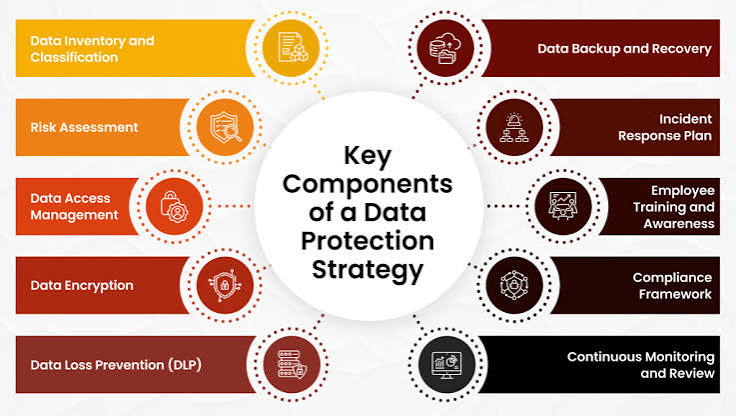
Organizations use different strategies to improve Data Protection and reduce security risks.
Data Encryption
Encryption converts information into an unreadable format that can only be accessed with the correct security key. It is widely used to protect sensitive information during storage and transfer.
Strong Authentication
Using strong passwords, multi-factor authentication, and biometric verification helps prevent unauthorized account access.
Regular Data Backups
Backups protect important information from accidental deletion, hardware failures, ransomware attacks, and other unexpected events.
Access Control
Access control limits who can view or modify information. Employees should only have access to the data required for their work.
Security Monitoring
Continuous monitoring helps detect unusual activities and possible threats before they cause major damage.
The Role of Technology in Data Protection
Technology has completely changed the way information is created, stored, and shared. While digital transformation has improved efficiency and communication, it has also increased the risks of data theft and cyberattacks.
Modern Data Protection depends on advanced technologies that help organizations secure information from different types of threats. These technologies work together to identify risks, prevent unauthorized access, and recover data after security incidents.
Businesses today use a combination of security tools, policies, and employee awareness programs to create a strong Data Protection system.
Data Encryption: A Powerful Data Protection Method
Data encryption is one of the most effective techniques used to protect sensitive information. It changes readable information into a coded format that cannot be understood without a special decryption key.
Encryption protects data in two main situations:
Encryption at Rest
Encryption at rest protects stored information such as files, databases, customer records, and company documents. Even if attackers gain access to storage systems, encrypted data remains difficult to use.
Encryption in Transit
Encryption in transit protects information while it moves between devices, servers, and networks. It helps prevent attackers from intercepting sensitive information during communication.
Many industries, including banking, healthcare, and e-commerce, rely heavily on encryption to maintain customer privacy.
Cloud Data Protection

Cloud computing has become an important part of modern business operations. Companies use cloud platforms to store files, run applications, and manage digital services.
However, storing information in the cloud requires strong Data Protection measures.
Important cloud security practices include:
- Encrypting cloud-based information
- Managing user permissions carefully
- Monitoring cloud activity
- Creating regular backups
- Using trusted cloud service providers
Cloud Data Protection helps organizations enjoy the benefits of remote access while maintaining information security.
Artificial Intelligence and Data Protection
Artificial Intelligence (AI) is changing the cybersecurity industry by providing faster and smarter methods of protecting information.
AI-powered security systems can:
- Detect unusual user behavior
- Identify possible cyber threats
- Analyze large amounts of security data
- Respond quickly to attacks
For example, AI systems can recognize patterns that may indicate a security problem and alert organizations before serious damage occurs.
However, AI also creates new challenges because cybercriminals can use advanced technologies to create more sophisticated attacks. This makes continuous improvement in Data Protection strategies necessary.
Database Security and Data Protection
Databases often contain some of the most valuable information for organizations. Protecting databases is a major part of overall Data Protection.
Effective database security includes:
User Authentication
Organizations should verify users before allowing access to databases.
Permission Management
Only authorized employees should be able to view or modify specific information.
Database Monitoring
Regular monitoring helps identify suspicious activities and possible security weaknesses.
Backup and Recovery Plans
Reliable backups ensure that organizations can restore information after unexpected events.
Mobile Data Protection
Mobile devices have become an important part of personal and professional life. Smartphones and tablets often contain emails, documents, passwords, and other sensitive information.
Mobile Data Protection practices include:
- Using screen locks and strong passwords
- Installing security updates
- Avoiding unsafe applications
- Using encrypted connections
- Enabling device tracking features
Companies should also create mobile security policies to protect business information accessed through employee devices.
The Importance of Data Protection Policies
A strong Data Protection system requires more than technology. Organizations need clear policies that explain how information should be handled.
A Data Protection policy usually covers:
- How data is collected
- Who can access information
- How data is stored
- How information is shared
- How long data is kept
- How data is securely deleted
Clear policies help employees understand their responsibilities and reduce human errors.
Data Protection in Businesses
Businesses collect large amounts of information from customers, employees, and partners. Protecting this information is essential for maintaining operations and reputation.
Companies benefit from Data Protection by:
Reducing Financial Losses
Data breaches can result in expensive recovery costs, legal issues, and customer compensation. Strong protection reduces these risks.
Improving Customer Confidence
Customers are more likely to trust businesses that demonstrate responsible handling of personal information.
Protecting Business Reputation
A single security incident can damage a company’s public image. Effective Data Protection helps maintain a positive reputation.
Supporting Business Growth
Secure systems allow businesses to adopt new technologies and expand services with greater confidence.
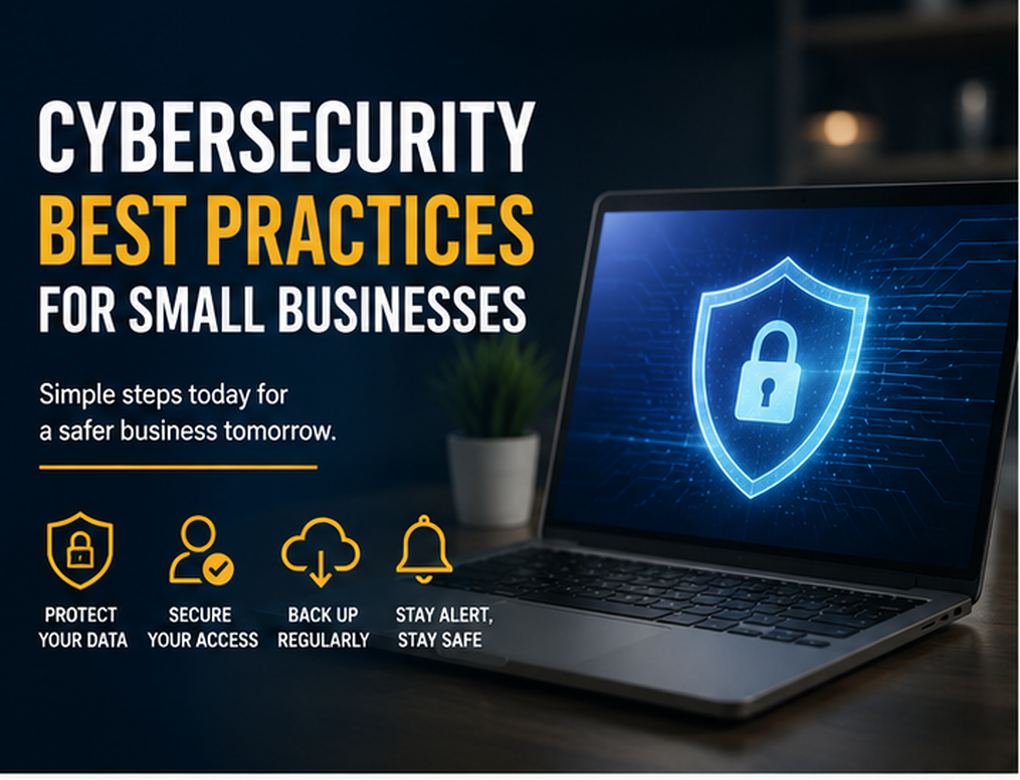
Data Protection for Small Businesses
Small businesses often believe they are not targets for cybercriminals, but they can also face serious security threats.
Common risks for small businesses include:
- Weak security systems
- Limited cybersecurity knowledge
- Poor backup practices
- Unprotected customer information
Small businesses can improve Data Protection by:
- Training employees about security awareness
- Using updated software
- Creating strong passwords
- Applying multi-factor authentication
- Keeping regular backups
Future of Data Protection
The future of Data Protection will continue to evolve as technology advances. New challenges will require stronger and smarter security solutions.
Future trends include:
- Increased use of artificial intelligence
- Stronger privacy regulations
- Advanced encryption methods
- More secure cloud environments
- Improved identity protection systems
Organizations that invest in Data Protection today will be better prepared for future cybersecurity challenges.
Frequently Asked Questions (FAQs) About Data Protection
1. What is Data Protection?
Data Protection is the process of protecting important information from unauthorized access, theft, loss, or misuse. It includes security methods such as encryption, authentication, backups, and access controls to keep personal and business data safe.
2. Why is Data Protection important?
Data Protection is important because it helps prevent cyberattacks, identity theft, financial fraud, and unauthorized use of sensitive information. It also helps businesses maintain customer trust and follow privacy regulations.
3. What are the main methods used for Data Protection?
The main methods used for Data Protection include data encryption, strong passwords, multi-factor authentication, regular backups, access management, security monitoring, and employee security training.
4. How does Data Protection help businesses?
Data Protection helps businesses protect customer information, reduce security risks, avoid financial losses, maintain a good reputation, and build trust with clients and partners.
5. What is the future of Data Protection?
The future of Data Protection will focus on advanced technologies such as artificial intelligence, stronger encryption systems, improved privacy controls, and smarter cybersecurity solutions to protect information from evolving threats.
Conclusion
Data Protection is essential in today’s digital world to keep personal and business information secure. Strong security practices, advanced technologies, and responsible data management help prevent cyber threats. By protecting valuable information, organizations can build trust, maintain privacy, and create a safer digital environment for everyone.